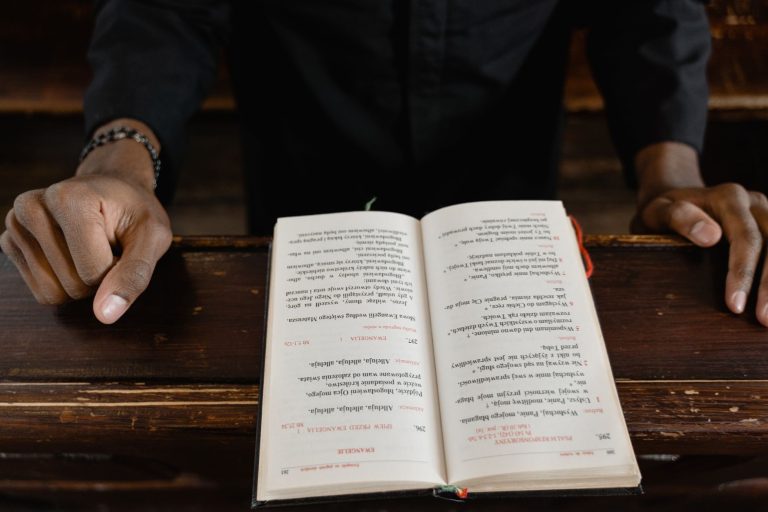
What Is Faith Confession? A Pastoral Guide
What Is Faith Confession According to Scripture?
Faith confession is the biblical practice of vocalizing agreement with God, grounding your identity and authority in the reality of Jesus Christ.
In twenty years of ministry, I have seen many believers treat confession like a magical formula rather than a spiritual discipline. The Greek word homologeo, which we translate as confession, literally means “to speak the same thing.” It is not about convincing God to do something; it is about anchoring your soul to what He has already done.
When Paul writes in Romans 10:9 that “if you confess with your mouth, Jesus is Lord,” he is not suggesting a secret code. He is describing a public and personal alignment of your internal conviction with the external truth of the Gospel. This practice is foundational to our spiritual warfare, as it reinforces our legal and relational standing in Him.
Is Faith Confession Just Positive Thinking?
No, biblical confession is grounded in objective historical reality, whereas positive thinking centers on subjective human desires alone.
Much of the modern confusion around “confession” stems from a distortion of the Word-of-Faith tradition. Some teach that if you say something enough times, you create your own reality. This is not the teaching of Scripture; it is a secular psychological concept repackaged as faith.
Authentic confession is always tethered to the character and promises of God. We are not speaking things into existence by our own power. We are praying and declaring in response to the finished work of the Cross.
How Does Confession Equip the Believer?
Confession acts as a daily spiritual exercise that keeps the mind aligned with the truth, providing a shield against doubt and demonic lies.
- It reinforces your identity as a child of God, rather than a victim of circumstance.
- It provides a verbal anchor during seasons of intense emotional or spiritual pressure.
- It reminds the enemy of the authority you possess through the finished work of Christ.
- It creates a rhythm of humility by constantly pointing away from self to the Lord.
What Is the Distinction Between Confession and Creed?
Confession is the personal act of vocal agreement with God, while a creed is a formal document summarizing the church’s collective belief.
Why Does the Westminster Confession Matter?
The Westminster Confession provides a historical, theological framework that helps protect individual believers from drifting into private heresy.
Many people searching for “faith confession” end up finding the Westminster Confession of Faith. This is a vital document of Reformed theology, not a guide for daily verbal declarations. It represents the church’s effort to systematize biblical truth against the errors of its day.
While the Westminster Confession is an excellent study, it functions differently than the personal practice of confessing Scripture. One is a corporate summary; the other is a personal application of life in the Spirit.
Are There Criticisms of Traditional Confessions?
Critics often argue that formal confessions can become rigid, potentially stifling the dynamic, ongoing work of the Holy Spirit in a believer.
| Feature | Personal Confession | Historical Creed |
|---|---|---|
| Scope | Individual application | Corporate orthodoxy |
| Purpose | Spiritual formation | Defining doctrine |
| Dynamic | Relational and active | Static and reference |
Do I Need to Confess Sin to a Priest?
Confession to a priest is a practice in some traditions, but the Bible emphasizes our direct access to God through the one mediator, Jesus.
Some ask if they should follow the model of the Church of England or Catholic sacramental confession. While there is value in the pastoral wisdom of finding safe people to talk to, our primary confession is made to the Father in the name of the Son.
Frequently Asked Questions About Faith Confession
These questions address common confusion regarding the practice of confession in both its theological and practical, daily dimensions.
What does it mean to “confess” in daily life?
It means acknowledging out loud what God has already declared to be true about your situation, your sins, and your hope in Christ.
Is confession a way to get what I want from God?
No, confession is about aligning your heart with God’s will; it is not a tool to manipulate heaven into meeting your personal demands.
Why is vocalizing faith so important?
Speech impacts our own hearts and minds, reinforcing belief and acting as a clear witness against the accusations of the adversary.
Can confession be used for healing?
While God heals, confession should focus on declaring His promises and sovereignty rather than treating the act as a magical recovery tool.
Is the Westminster Confession biblical?
It is an attempt biblical teaching; it is a useful tool for study but not an inspired text equal to the Holy Scriptures.
What if I don’t feel like my confession is true?
Faith is not based on your feelings; continue to speak the truth until your heart catches up to the reality of God’s unchanging word.
Does confession replace prayer?
No, confession is a form of prayer; it is a subset of the broader conversation you are invited to have with your heavenly Father.
Should I confess my sins to others?
James 5:16 encourages confessing sins to one another for healing, which builds accountability and fosters deep Christian community.
What is the seal of the confessional?
It is the legal and moral obligation of a priest to keep the secrets shared during a formal sacramental confession of sin.
How do I start a practice of confession?
Begin by reading a passage of Scripture, then restate it in the first person as a declaration of your trust in God’s promises today.
Faith confession is not a trick; it is a walk. As you continue to walk in the authority you have in Christ, keep your eyes on Him, not on your own words. If you are struggling with a specific area of oppression, please remember that your standing is secure because of who Jesus is, not because of how well you declare it. Stay grounded in the text, stay humble in your heart, and keep pressing into the presence of God.
— Pastor David Mercer