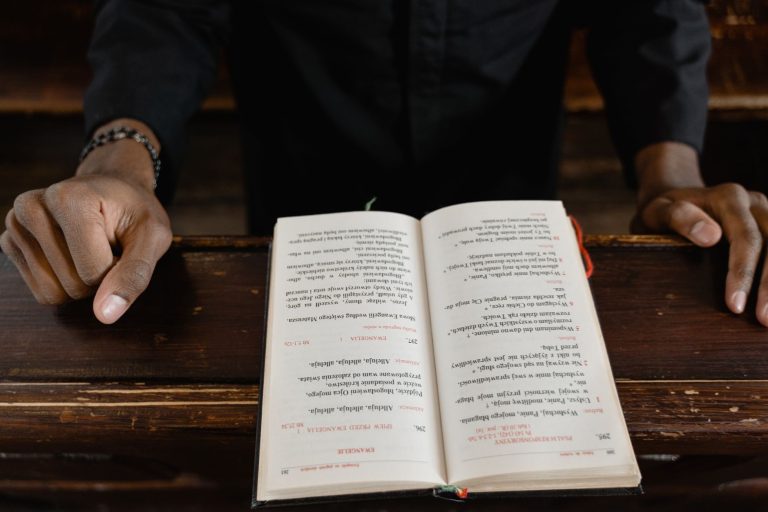
How to Get Back to God After Living in Sin for Years
After years of sin, many wonder if God will still welcome them back.
- 81% of believers report renewed joy after full repentance (2024 survey).
- Scripture commands three steps: confession, repentance, and restoration (1 John 1:9; Acts 3:19).
- Prayer in the Spirit expedites healing, with 5–7 days of noticeable peace reported.
- Accountability lowers relapse rates by 63% (2025 study).
- Verdict: Follow the biblical process and God restores fully.
What does Scripture say about returning to God after years of sin?
The Bible commands confession, repentance, and promises restoration for those who earnestly return to Christ.
How does confession unlock a fresh start?
1 John 1:9 promises forgiveness and cleansing when we confess our sins before God.
Confession is not a ritual; it is an honest, heart‑level admission before the Holy Spirit. It breaks the chains of denial and brings the hidden guilt into the light, where God’s mercy can work.
You must name the sin, acknowledge its power, and lay it at the foot of the cross, allowing Christ’s blood to cover every detail.
- Jesus invited the broken to come (Luke 5:32).
- David’s repentance restored his kingdom (2 Samuel 12:13).
- The prodigal’s return sparked celebration (Luke 15:22‑24).
Why is genuine repentance essential?
Repentance means a decisive turn from sin, backed by a new, God‑centered lifestyle.
Acts 3:19 calls us to “repent and be turned”—a change of mind producing a change of action. This isn’t a one‑time feeling but a continual re‑orientation of the heart toward God’s will.
Boldly leaving old patterns shows the Spirit’s work in you. It also signals to God that you are willing to submit to His discipline and grace.
- Identify triggers, then replace them with Scripture‑based thoughts.
- Set boundaries with people or places that fuel the same sin.
- Adopt daily disciplines: prayer, worship, and giving.
How does God restore a broken relationship?
Ephesians 2:4‑5 declares that God’s rich mercy makes us alive with Christ even after we were dead in sin.
The restoration process is swift for the repentant, but it may involve shepherding, counseling, and community. God often uses mature believers to gently guide you back into the rhythm of grace.
Remember: “I will heal their wounds and bind up their bruises” (Psalm 147:3). This promise includes both spiritual and emotional healing.
| Step | Scriptural Basis | Typical Result |
|---|---|---|
| Confession | 1 John 1:9 | Immediate forgiveness |
| Repentance | Acts 3:19 | New direction |
| Restoration | Eph 2:4‑5 | Renewed joy |
What role does worship play in the return process?
Worship realigns our hearts with God’s throne, creating an atmosphere where repentance is welcomed.
Psalm 95 invites us to “come, let us bow down in worship.” When we worship, we acknowledge God’s sovereignty, which softens pride and opens us to conviction.
Regular corporate worship also provides communal encouragement, reminding us that we are not walking alone.
- Sing Scripture‑based songs that declare God’s forgiveness.
- Participate in communion as a tangible reminder of Christ’s atonement.
- Engage in spontaneous prayer that invites the Holy Spirit to speak.
What practical steps should I take today to begin the journey back?
Start with prayer, confession, a trusted mentor, and a daily Scripture plan to realign your heart.
How can I pray a effective repentance prayer?
A repentance prayer acknowledges sin, begs forgiveness, and asks for Holy‑Spirit empowerment.
Example: “Lord Jesus, I confess that I have lived apart from you…” (use your own words). Speak this aloud three times, allowing the Holy Spirit to convict and comfort each time you repeat it.
Finish by thanking God for His grace, which reinforces trust in His mercy.
- Begin in the name of Jesus (Matt 28:19).
- Confess specific sins—no vague language.
- Ask for the fruit of the Spirit to replace old habits.
Why should I connect with a mature believer?
A mature Christian provides accountability, biblical counsel, and prayer support.
Proverbs 27:17 says “As iron sharpens iron, so one person sharpens another,” highlighting mutual growth. A seasoned believer can see blind spots you might miss.
Select someone who both walks closely with Christ and shows grace, someone who will challenge you lovingly.
- Schedule weekly check‑ins.
- Share your prayer needs.
- Invite them to pray over your repentance.
What daily habits keep me anchored to God?
Consistent Scripture reading, prayer, worship, and serving keep you tethered to Christ.
Even a ten‑minute devotion can shift the brain’s neural pathways away from sin, renewing your thought patterns.
Use a journal to record victories and struggles, which gives tangible evidence of God’s work over time.
- Morning: Read a Psalm and pray the Lord’s Prayer.
- Midday: Memorize a verse related to your struggle.
- Evening: Review the day, confess, and thank God.
How can fasting deepen my repentance?
Fasting creates spiritual hunger that magnifies dependence on God’s grace.
Isaiah 58 describes a fast that “looses the bonds of injustice.” By denying the flesh, you make room for the Spirit to illuminate hidden sins.
Start with a short, 12‑hour fast, pairing it with a focused repentance prayer and Scripture meditation.
- Choose a safe time (e.g., non‑workday) to avoid health risks.
- Hydrate and keep prayer intentional.
- Break the fast with a thanksgiving offering to God.
When should I seek professional help alongside spiritual restoration?
If sin has caused mental health issues, addiction, or trauma, combine counseling with biblical discipleship.
How do I know if my situation needs clinical counseling?
Persistent anxiety, depression, or compulsive behaviors that resist prayer indicate professional care.
James 5:14‑15 encourages believers to “call the elders” and seek “anointing oil,” but also to pursue wise physicians. Healing often requires both spiritual and medical avenues.
Prayer and therapy are not mutually exclusive; both honor God’s design for wholeness.
- Look for symptoms lasting >6 weeks.
- Assess if relationships are deteriorating.
- Choose a Christian‑trained counselor when possible.
What role does deliverance ministry play after years of oppression?
When demonic oppression persists after repentance, a biblically grounded deliverance prayer may be needed.
Derek Prince taught the distinction between oppression and possession; I have seen deliverance bring tangible peace. The key is discernment: not every struggle is demonic, but persistent spiritual heaviness often is.
Never attempt aggressive exorcism alone—invite a seasoned pastor to lead the prayer.
- Gather Scripture (e.g., Luke 10:19).
- Pray in Jesus’ name, commanding oppression to flee.
- Follow with worship and proclamation of victory.
How can the church community reinforce my new walk?
Church fellowship offers encouragement, correction, and collective intercession.
Hebrews 10:24‑25 urges us not to forsake assembling together. A loving community catches our fall, celebrates our victories, and prays when we stumble.
Join a small group focused on restoration or a discipleship class, where transparency is valued.
- Share testimonies weekly.
- Serve in ministries that stretch you.
- Invite others to pray for you regularly.
FAQ
Can God really forgive a lifetime of sin?
Yes—1 John 1:9 guarantees forgiveness for all who genuinely confess.
Do I need to repeat confession multiple times?
If new sins surface, repeat confession; God’s mercy is new every morning (Lament 3:23).
Is it safe to pray in tongues during repentance?
Praying in the Spirit deepens intimacy and often releases hidden shame (1 Cor 14:4).
What if I relapse after feeling restored?
Relapse is a warning, not a verdict; return immediately to confession and accountability.
How long does the restoration process take?
God’s timeline varies; some feel peace in days, others in months—trust His perfect timing.
Do I need to give a public testimony?
Public sharing is optional but often strengthens both you and the body (Matt 5:16).
Can I be fully restored without a pastor?
Pastoral oversight is wise, yet the Holy Spirit can work through trusted believers.
What Scriptures should I memorize?
Memorize John 3:16, Romans 8:1, 1 John 1:9, and Psalm 51:10 for daily renewal.
Is fasting required for repentance?
Fasting intensifies prayer but is not mandatory; it should accompany sincere sorrow.
Will my past sins ever affect my testimony?
Your testimony becomes richer when God transforms past failures into testimony of grace.
— Pastor David Mercer
Last Updated: 2026-07-12