What Does the Bible Say About Prayer Times?
The Bible does not mandate specific legalistic prayer times, but it consistently highlights the spiritual power found in intentional daily rhythms.
- The Psalms highlight at least 3 distinct daily prayer sessions often observed by faithful Jews and early Christians.
- Jesus prayed for 40 days in the wilderness, showing that specific seasons of prayer often precede major spiritual breakthroughs.
- Daniel maintained a strict discipline of praying 3 times every single day, even when facing severe persecution.
- The New Testament teaches believers to pray without ceasing, prioritizing relational intimacy over rigid calendar-based requirements.
In 20 years of deliverance ministry, I have sat across from believers who felt paralyzed by the pressure to find the ‘right’ time to pray. I have seen that those who treat prayer as a religious obligation often struggle to find peace, while those who see it as an invitation experience genuine breakthrough. That is what shaped how I approach the balance between structure and spontaneity.
Does the Bible Mandate Specific Times for Prayer?
Scripture does not command a universal prayer schedule, yet it provides numerous examples of holy men establishing consistent daily rhythms.
Why did the ancient Israelites pray at specific hours?
The Jewish tradition centered prayer on the morning and evening temple sacrifices, symbolizing a continuous offering of heart and life to God.
The concept of set prayer times is deeply rooted in the temple service described in Exodus 29:38-39. The priests were instructed to offer a lamb at dawn and another at twilight, effectively bookending the day with sacrifice. For the devout in Israel, aligning their personal prayers with these moments became a way to remain tethered to the presence of God.
- Morning prayer reflects a surrender of the day ahead to the Lord.
- Evening prayer provides a moment to release the burdens and sins of the day.
- Midday prayer serves as a pivot point to recalibrate one’s focus.
What does the book of Daniel teach about prayer consistency?
Daniel chose to pray three times daily despite threats of death, proving that spiritual discipline is the primary antidote to internal anxiety.
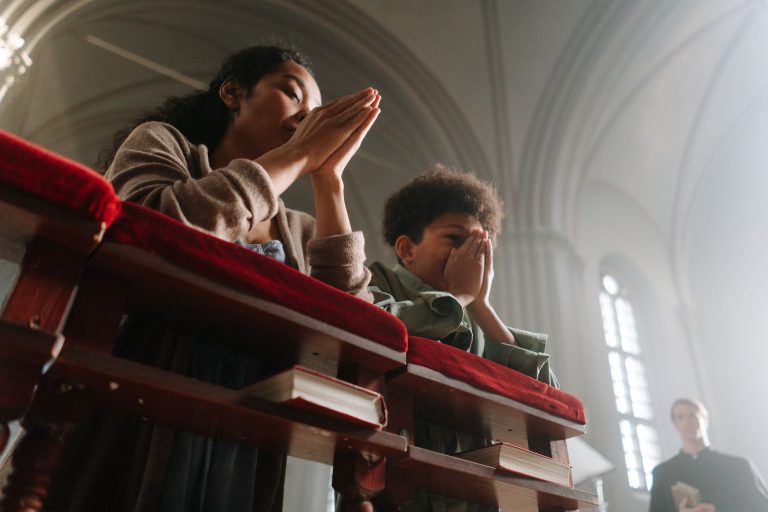
In Daniel 6:10, we see the prophet maintaining his habit of kneeling three times a day to pray and give thanks, regardless of the danger. This was not a forced legal requirement, but a structural support for his walk with God. He understood that without a set time, the pressures of the Babylonian court would easily crowd out his communion with the Creator.
Is there a “best” time to pray according to the New Testament?
The New Testament emphasizes the state of the heart over the hour of the day, focusing on persistent, spirit-led communication with the Father.
Paul’s exhortation in 1 Thessalonians 5:17 to “pray without ceasing” shifts the focus from a clock to a posture. In my prayer and intercession work, I tell people that while morning is excellent for focus, God is just as present at 2:00 AM as He is at sunrise. The goal is not to impress God with our punctuality, but to position ourselves so that His voice becomes our daily reference point.
How Can You Build a Sustainable Prayer Rhythm?
Building a sustainable prayer rhythm requires choosing times that anchor your day while remaining flexible enough for the Holy Spirit to lead.
How do you overcome the distraction of a busy schedule?
Prioritize prayer by treating it like your most vital professional commitment, ensuring your spiritual life is not relegated to leftover moments.
Most people fail in their prayer life because they wait for a ‘free moment’ that never arrives. The secret is to build your day around your prayer time, not your prayer time around your day. Whether it is 15 minutes before the kids wake up or a quiet walk during lunch, the consistency matters more than the duration.
- Use your commute to engage in communion with the Lord.
- Set a recurring alarm on your phone to remind you to pause.
- Keep a recovery and faith journal to record what God speaks during these times.
What happens when your prayer routine feels dry?
Dryness is an invitation to deeper surrender, shifting your focus from the feeling of prayer to the reality of God’s presence in your life.
Many believers mistakenly believe that if they don’t ‘feel’ something during prayer, they are failing. When the routine feels dry, lean into the discipline of spiritual warfare by declaring Scripture over your life. Remind your soul that prayer is about God’s faithfulness, not your emotional capacity.
FAQ: Common Questions About Biblical Prayer Times
-
Is praying at dawn more spiritual than praying at night?
No time is inherently more spiritual; however, dawn prayers often protect your focus before the chaos of the world begins to demand your energy.
-
Should I pray at the same time every day?
Consistency helps build a habit, but God honors a heart that seeks Him at any hour, regardless of whether you are following a rigid schedule.
-
Does “praying without ceasing” mean I should never stop talking?
It means maintaining a continuous inner awareness of God’s presence, keeping your heart open to Him throughout all your daily activities.
-
What should I do if I miss my scheduled prayer time?
Simply start when you can; do not let shame convince you to abandon the entire day, as God is waiting for you at any moment you choose.
-
How long should a prayer time last?
Quality is superior to quantity, as even five minutes of honest, focused communication is better than an hour of distracted religious duty.
-
Can I pray in tongues during my set times?
Yes, as it builds up your spirit and allows you to pray effectively when you do not know how to articulate your needs in your native language.
-
Do I have to kneel for prayer?
Postures like kneeling show reverence, but God looks at the heart, and you can pray while walking, sitting, or driving just as effectively.
-
How do I know if I am praying enough?
If your prayer life is producing a deeper love for Jesus and a greater desire for obedience, you are likely hitting the mark perfectly.
-
Should I follow the Jewish prayer hours?
You are free to follow them as a helpful tool, but you are not under an obligation to do so as they are not mandated for the church today.
-
Is there a difference between personal and corporate prayer times?
Personal prayer builds your private intimacy, while corporate prayer aligns the body of Christ and releases a unique power through shared unity.
At the end of the day, do not let legalism steal your joy. If you find yourself struggling to maintain these rhythms, reach out for support rather than shrinking back in guilt. Last Updated: 2026-07-07 — Pastor David Mercer.