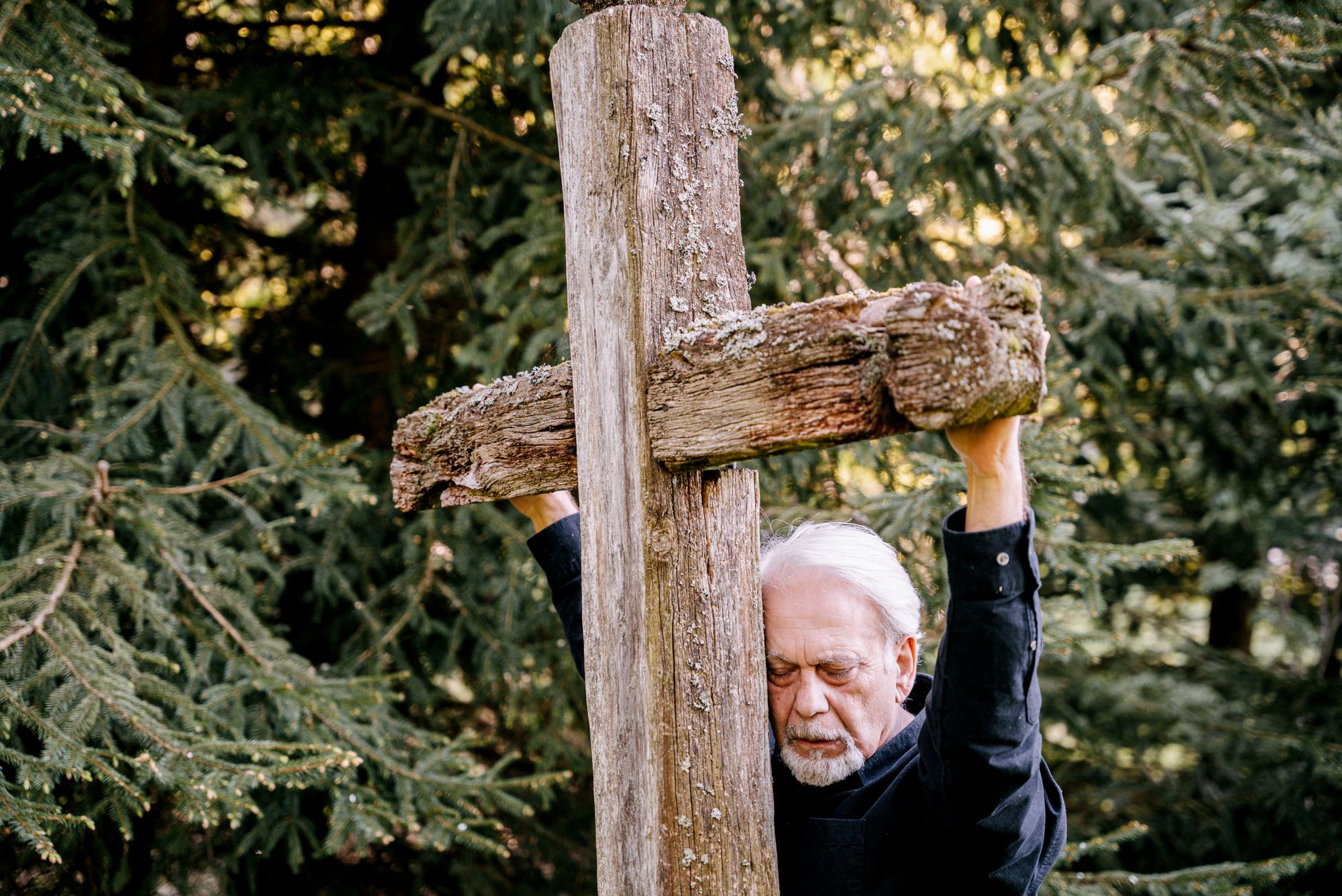
Kenneth Hagin: Evaluating the Theological Impact of His Ministry
Who Was Kenneth Hagin and Why Is His Legacy Contentious?
Kenneth Hagin was a pivotal Pentecostal teacher who pioneered modern faith-confession theology, leaving a legacy of both growth and controversy.
In over 20 years of deliverance ministry, I have sat across from many believers whose understanding of God was profoundly shaped—both positively and negatively—by the teachings that emerged from the ministry of Kenneth Hagin. It is impossible to discuss the landscape of the modern charismatic movement without addressing his role. He was a central figure in what many call the “Word of Faith” tradition, which emphasizes the power of spoken words and the believer’s authority in Christ.
For many, his teaching provided a necessary awakening to the reality of the Holy Spirit and the authority we possess as children of God. For others, his emphasis on “name it and claim it” theology drifted dangerously toward the prosperity gospel. Evaluating his ministry requires a nuanced approach that honors the genuine move of the Spirit while remaining anchored to the clear, authoritative standard of Scripture.
What Were the Primary Teachings of His Ministry?
His core teachings focused on the power of spoken faith, the authority of the believer, and the promise of divine healing through the atonement.
The central pillar of Hagin’s teaching was that faith is not merely a feeling or a passive belief but an active force released through the mouth. He frequently taught that believers could command their circumstances, invoking the promise in Mark 11:23. Many of these concepts found their way into mainstream Identity & Authority teachings used in thousands of churches today.
He also emphasized that physical healing was purchased in the atonement of Christ, arguing that sickness is an intrusion that the believer has the right to resist. While this has brought comfort to many, it has also led to deep pastoral challenges for those who do not see physical healing manifest. It remains essential to remember that while we pray for healing, God’s sovereign purposes are not always aligned with our immediate desires.
- The believer’s authority as a legal reality in Christ.
- The necessity of speaking faith out loud to create spiritual reality.
- Healing as a finished work available to all who access it by faith.
- The importance of confession in the process of spiritual warfare.
How Did His Teachings Shape the Charismatic Movement?
His ministry accelerated the growth of independent charismatic churches and standardized systematic teaching on gifts and supernatural faith.
Before the mid-20th century, Pentecostalism was often viewed as experiential and anti-intellectual. Hagin helped structure these experiences into repeatable doctrines. This formalization allowed the message to spread rapidly through Bible schools and publishing, moving from small tent revivals to global media reach.
However, this shift also introduced a drift away from traditional Theology Explained regarding suffering and the cross. By focusing so heavily on triumph, some facets of his teaching obscured the biblical reality of taking up one’s cross. In our current era, many Spirit-filled believers are now working to balance his emphasis on faith with a robust theology of suffering and endurance.
What Does Scripture Actually Say About His Core Doctrines?
Biblical discernment requires testing every claim against the full context of Scripture rather than isolating individual promises or verses.
Does the Bible Support the “Faith Confession” Doctrine?
Scripture teaches that faith is a gift from God and a response to His Word rather than a mechanical force used to manipulate reality.
We must look to passages like Romans 10:17, which reminds us that faith comes by hearing the Word of God. The “confession” mentioned in the Bible is usually the public declaration of the gospel or an honest admission of our state before God, not a mandate to declare our own desires into existence. While our words have power, they are tools for alignment with God’s will, not levers for controlling the cosmos.
Many respected Bible teachers in this tradition note that there is a danger in shifting the focus from God’s sovereignty to the believer’s willpower. If we treat faith like a law of the universe, we risk turning prayer into a transaction. Biblical faith is always about trusting the Person of Jesus, not the technique of our own confessions.
Is the “Authority of the Believer” Taught Correctly?
The believer has authority over demonic powers in Christ, but this authority is always delegated and bounded by the Lord’s own commission.
In my own Spiritual Warfare ministry, I often see believers misuse the concept of authority as if it were an independent power. We do not possess authority in ourselves; we stand in the victory that Christ has already won. Luke 10:19 is a favorite, but it must be read alongside the reminder that our names are written in heaven—our priority must be relationship with the Father.
When we act as if we are commanding angels or demons apart from the direct leading of the Spirit, we fall into error. Genuine authority is marked by humility, not the brashness that often characterized the late-century faith movement.
Where Do Popular Teachings in This Lineage Often Go Wrong?
Common errors include neglecting the theology of suffering, distorting the gospel for material gain, and misreading rabbinic historical terms.
Why Does Prosperity Theology Distort the Biblical Gospel?
Prosperity teaching replaces the call to self-denial and the promise of eternal hope with a focus on temporal wealth and physical comfort.
The gospel is the good news of the Kingdom, not a blueprint for financial success. When ministry leaders suggest that sowing money is the primary way to break a spiritual stronghold, they move outside the biblical model of sacrifice. In all my years of ministry, I have never seen a “seed” purchase the grace of God; grace is free, and it is paid for entirely by the blood of Jesus.
What Are the Dangers of Misinterpreting “Binding and Loosing”?
Binding and loosing in Scripture refers to church discipline and ethical judgment, not the mechanical restraint of demonic spirits.
Many in the deliverance-ministry tradition teach that we can bind spirits, but the historical-rabbinic usage of these terms in the New Testament is about setting boundaries for the faith community. Over-emphasizing these as magical commands can lead to a sensationalist approach to warfare. Instead, we should focus on the armor of God—which is a daily practice of truth, righteousness, and peace, not a series of incantations.
Frequently Asked Questions About Kenneth Hagin
-
Was Kenneth Hagin a true prophet?
Prophetic validity is determined by adherence to Scripture; while his teaching was influential, many of his specific predictions remain debated.
-
Can I learn from his books without adopting all his errors?
Yes, discernment allows one to glean truth from a teacher while discarding the theological distortions that often accompany their work.
-
Is Word of Faith theology biblical?
Much of it draws on valid promises, but it often drifts into human-centered power rather than God-centered reliance and surrender.
-
Did Hagin preach the prosperity gospel?
His teachings laid the groundwork for prosperity doctrine, focusing heavily on material blessing as a guaranteed indicator of faith.
-
Are his teachings still relevant in 2026?
His impact remains massive, but today’s church is increasingly balancing his concepts with more robust, cross-centered theological roots.
-
Why is he controversial among theologians?
His separation of faith from the sovereignty of God and his focus on the believer’s power caused friction with historic orthodox doctrine.
-
How do I protect myself from doctrinal error?
Stay grounded in the whole counsel of Scripture, submit your views to a godly community, and prioritize Christ over any human teacher.
-
Is his influence declining?
His influence is shifting; while less dominant than in the 90s, his methods still permeate many charismatic Bible colleges and ministries.
-
What should I do if my church teaches only his methods?
Seek a balanced community that teaches the full scope of Scripture, including the difficult call to suffering and the grace of repentance.
-
What is the biggest takeaway from his ministry?
The primary lesson is the immense power of faith and the Spirit, which must be carefully anchored in the humility and wisdom of the Bible.
After decades of observing how teachings move through the body of Christ, my word to you is simple: be a Berean. Read his books if you must, but always keep your Bible open. God is the author of your faith, and no human teacher—no matter how famous—has the final say over your soul. If you want a structured way to work through spiritual growth based on the pure Word, I encourage you to look into our resources, but never let a methodology replace your daily, quiet time with the living God.
— Pastor David Mercer