Is the King of Tyre Prophecy in Ezekiel 28 Referring to Satan?
Is the King of Tyre prophecy in Ezekiel 28 referring to Satan? The text addresses a human king but uses imagery that points to a spiritual power behind him.

Is the King of Tyre prophecy in Ezekiel 28 referring to Satan? The text addresses a human king but uses imagery that points to a spiritual power behind him.
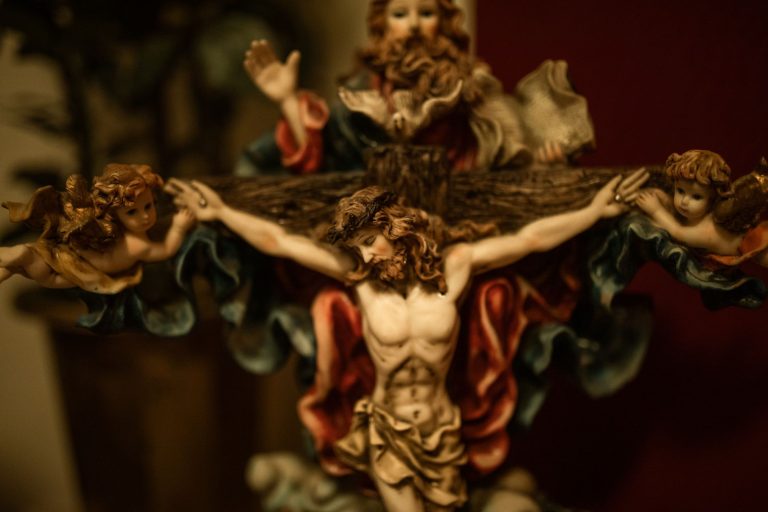
Addressing the tension between divine omnipotence and the existence of evil, this article examines why God allows Satan’s influence to persist.

A deep dive into the theological permanence of the angelic fall and why the offer of salvation is uniquely tailored to humanity.
Renewing your mind is not a one-time event, but a daily engagement with the truth of God’s Word to replace the lies of the enemy.
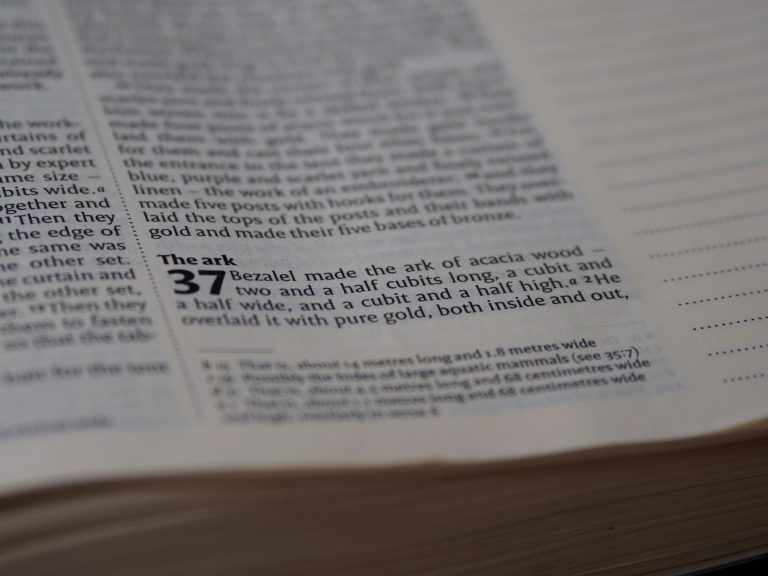
The Ark of the Covenant was a sacred golden chest built by Moses to hold the Ten Commandments, serving as the focal point of God’s presence on earth.

Is the popular ‘mind, body, spirit’ wellness movement compatible with Christian faith? Pastor David Mercer explores the biblical view of human wholeness.

When we speak of ‘ruthless vows,’ we must move beyond popular fiction to address the heavy, biblical reality of the oaths we take before God and men.

MCT oil is a concentrated supplement of medium-chain triglycerides derived primarily from coconuts, used for rapid energy production and ketogenic support.
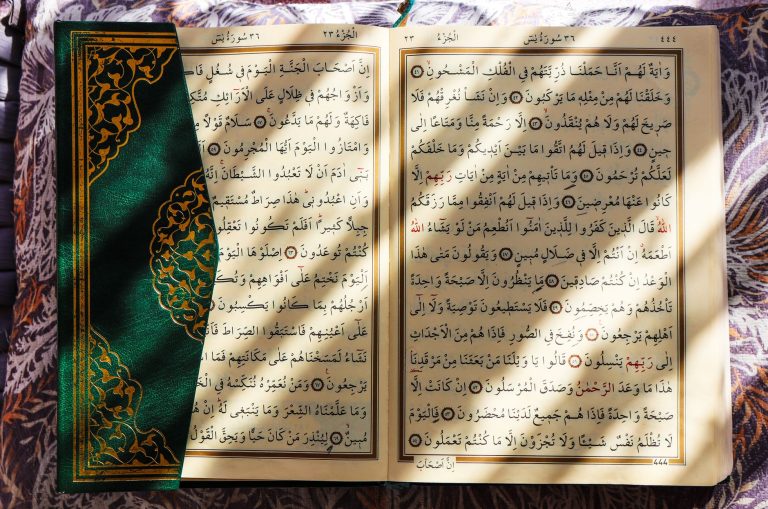
A ‘verse of the day’ is a single Scripture snippet delivered daily, but it is meant to serve as a starting point for deeper study, not a replacement for it.

Discernment of spiritual gifts is not found in a personality test but in the intersection of divine calling, biblical alignment, and the fruit of service.