What Was the Ark of the Covenant and Where Is It Today?
What Was the Ark of the Covenant and What Did It Represent?
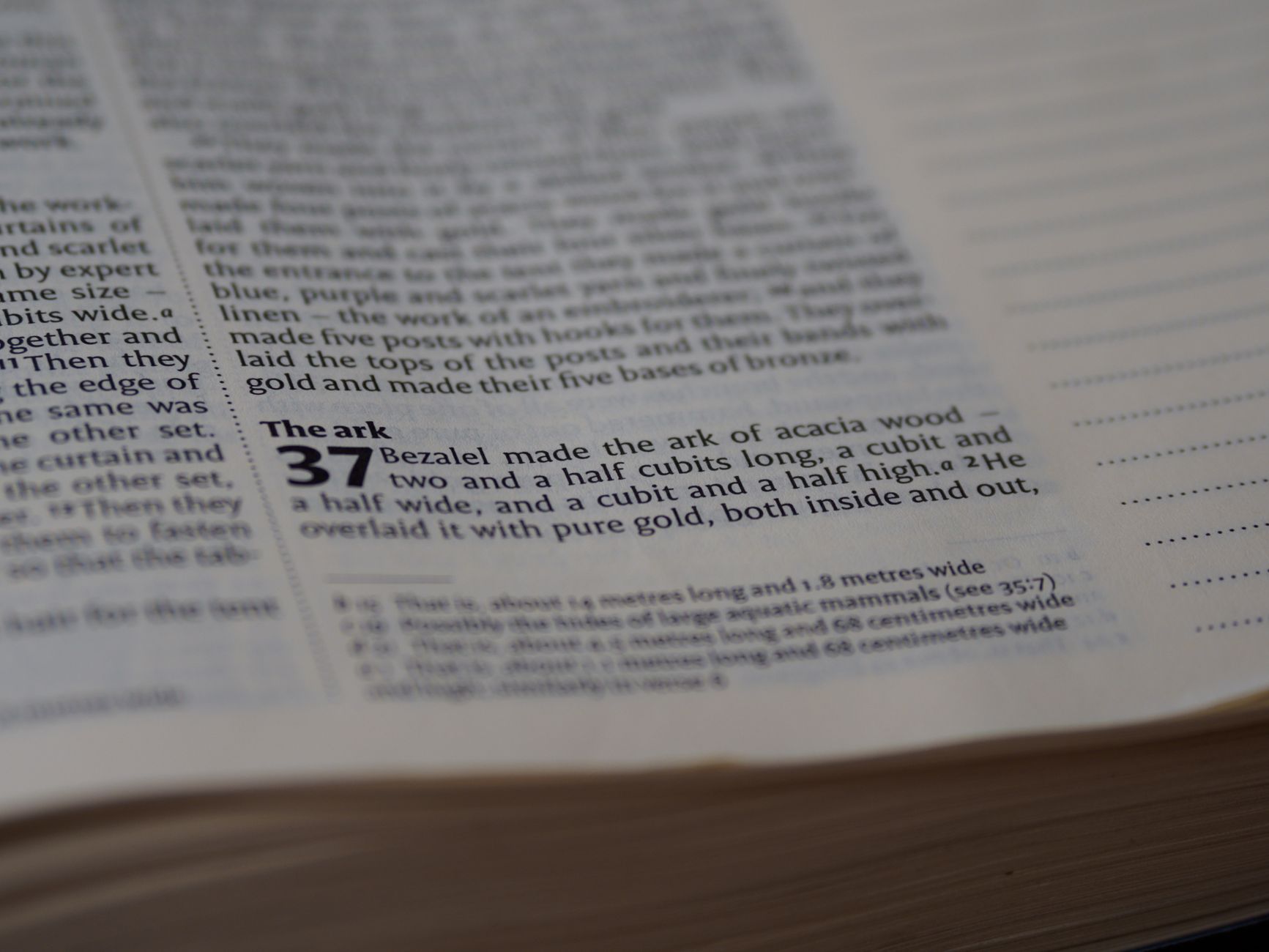
The Ark was a 45-inch long acacia wood chest overlaid with pure gold that contained the tablets of the law, manna, and Aaron’s budding staff.
In my twenty years of ministry, I have found that believers often view the Ark as a magical artifact, but it was fundamentally a sign of covenantal intimacy. It functioned as a portable throne where the glory of God, the Shekinah, rested between the golden cherubim on the mercy seat. This was the place where heaven met earth, bridging the gap between a holy God and a fallen people.
Why Was the Ark Constructed by Moses?
God commanded the construction of the Ark in Exodus 25 to establish a specific site for His presence to dwell among the Israelites in the desert.
The instructions given to Moses on Mount Sinai were precise, reflecting the heavenly reality of God’s throne room. The chest served as a container for the testimony—the tablets of the Ten Commandments—which defined the terms of the covenant between Yahweh and Israel. It was not merely a box; it was a vessel of authority in the wilderness.
- It housed the original stone tablets of the law.
- It held a jar of manna as a reminder of divine provision.
- It protected Aaron’s staff that budded, signifying divine chosenness.
- It acted as a focal point for the high priest on the Day of Atonement.
What Was the Significance of the Mercy Seat?
The mercy seat was the pure gold lid of the Ark where the high priest sprinkled blood to achieve atonement for the nation of Israel annually.
The Hebrew term for the lid, kapporet, carries the root meaning of ‘covering’ or ‘expiation.’ When the blood was applied here, the law inside the box—which condemned human sin—was covered by mercy. Many respected Bible scholars note that this foreshadowed the final atonement provided by Christ’s sacrifice on the cross. It represents the theological intersection of divine justice and divine grace.
What Happened to the Ark and Where Is It Now?
The Ark disappeared from historical records following the Babylonian destruction of Jerusalem in 586 BC and its location remains unknown today.
There is no verified biblical record of the Ark after the temple of Solomon was sacked by Nebuchadnezzar. While folklore and speculative theories abound, scripture does not provide a definitive account of its survival. From a pastoral perspective, the disappearance is likely intentional, signaling a shift from a localized presence to the indwelling of the Holy Spirit.
Is There Biblical Evidence for Its Survival?
Second Maccabees claims the prophet Jeremiah hid the Ark in a cave on Mount Nebo, but this account is deuterocanonical and lacks historical proof.
While this tradition remains popular, we must distinguish between inspired scripture and historical apocrypha. The book of Jeremiah itself speaks of a time when the Ark would no longer be missed or remembered (Jeremiah 3:16). This transition suggests that the physical object was never intended to be the permanent center of worship for the new covenant.
Why Does the Church Need to Avoid Sensationalism?
Seeking the lost Ark often leads to Gnostic-style obsessions that distract from the primary biblical message of spiritual transformation in Christ.
I have observed that when believers fixate on finding ancient relics, they often drift away from the reality of our identity in Christ. The Ark was a shadow; Christ is the substance. We must be careful not to value the shadow more than the reality, especially when the Bible itself treats the Ark as a fulfilled purpose.
What Can We Learn From the Ark Today?
The Ark serves as a reminder that God desires to dwell with His people through the transformative power of the Holy Spirit within every believer.
We are no longer limited to approaching a golden box in a holy of holies. Through the blood of Jesus, the curtain has been torn, and we now have direct access to the throne of grace. This is the ultimate fulfillment of what the Ark only pointed toward.
How Does the Ark Relate to the New Covenant?
The New Covenant shifts the location of the law from stone tablets inside a box to the hearts and minds of believers through the Holy Spirit.
| Old Covenant | New Covenant |
|---|---|
| Ark of the Covenant | The Indwelling Holy Spirit |
| Tablets of Stone | Hearts of Flesh |
| High Priest’s Intercession | Christ’s Eternal Intercession |
What Is the Pastoral Verdict for Modern Seekers?
Christians should focus on the presence of God within them rather than searching for an artifact that fulfilled its purpose in redemptive history.
If you are looking for the presence of God, do not look to a cave in Ethiopia or a vault in Jerusalem. Look to the Scriptures, prayer, and the community of faith where the Spirit of God truly resides. The search for the physical Ark is a distraction from the spiritual reality that you are the temple of the living God.
Frequently Asked Questions About the Ark
-
Did the Philistines ever capture the Ark?
Yes, the Philistines captured the Ark during the time of Eli, but they were forced to return it because of plagues that afflicted their cities.
-
What was the penalty for touching the Ark?
Unauthorized touching was fatal, as seen with Uzzah, because the Ark represented the unmediated holiness of God that required strict protocol.
-
Was the Ark made of solid gold?
The Ark was made of acacia wood and covered in gold, while the lid, known as the mercy seat, was made of solid hammered gold.
-
How large was the Ark of the Covenant?
It measured approximately 2.5 cubits long, 1.5 cubits wide, and 1.5 cubits high, roughly 45 by 27 by 27 inches in modern measurements.
-
Why did the Ark have poles?
The poles allowed the Levites to carry the Ark on their shoulders without human hands touching the sacred object directly during transport.
-
Where was the Ark kept in the Temple?
It was kept in the Holy of Holies, the innermost sanctuary that the high priest could only enter once per year on the Day of Atonement.
-
Does Revelation mention the Ark?
Revelation 11:19 mentions John seeing the Ark of the Covenant in God’s temple in heaven, suggesting the earthly version was a copy of a reality.
-
Is the Ark of the Covenant mentioned in the Quran?
The Quran references the ‘Tabut’ (Ark), describing it as a container of tranquility from the Lord, which aligns with the biblical narrative.
-
Why did God want the Ark hidden?
The Bible does not state God wanted it hidden, but its removal signaled the end of the ceremonial age and the coming of the Messiah.
-
Can the Ark ever be found in 2026?
Archaeologists and theologians have searched for centuries, but there is no credible evidence the physical Ark remains intact in 2026.
The mystery of the Ark will likely remain unsolved by science, which is exactly as it should be. The significance of the Ark is found in the story of redemption, not in a museum case. May you find the true Ark—the presence of Jesus—in your daily walk with Him. — Pastor David Mercer.