What Is MCT Oil and Should Christians Use It for Health in 2026?
What Is MCT Oil and How Does It Function in the Body?
MCT oil is a supplement containing concentrated medium-chain triglycerides, a fat type that the liver converts rapidly into usable ketones.
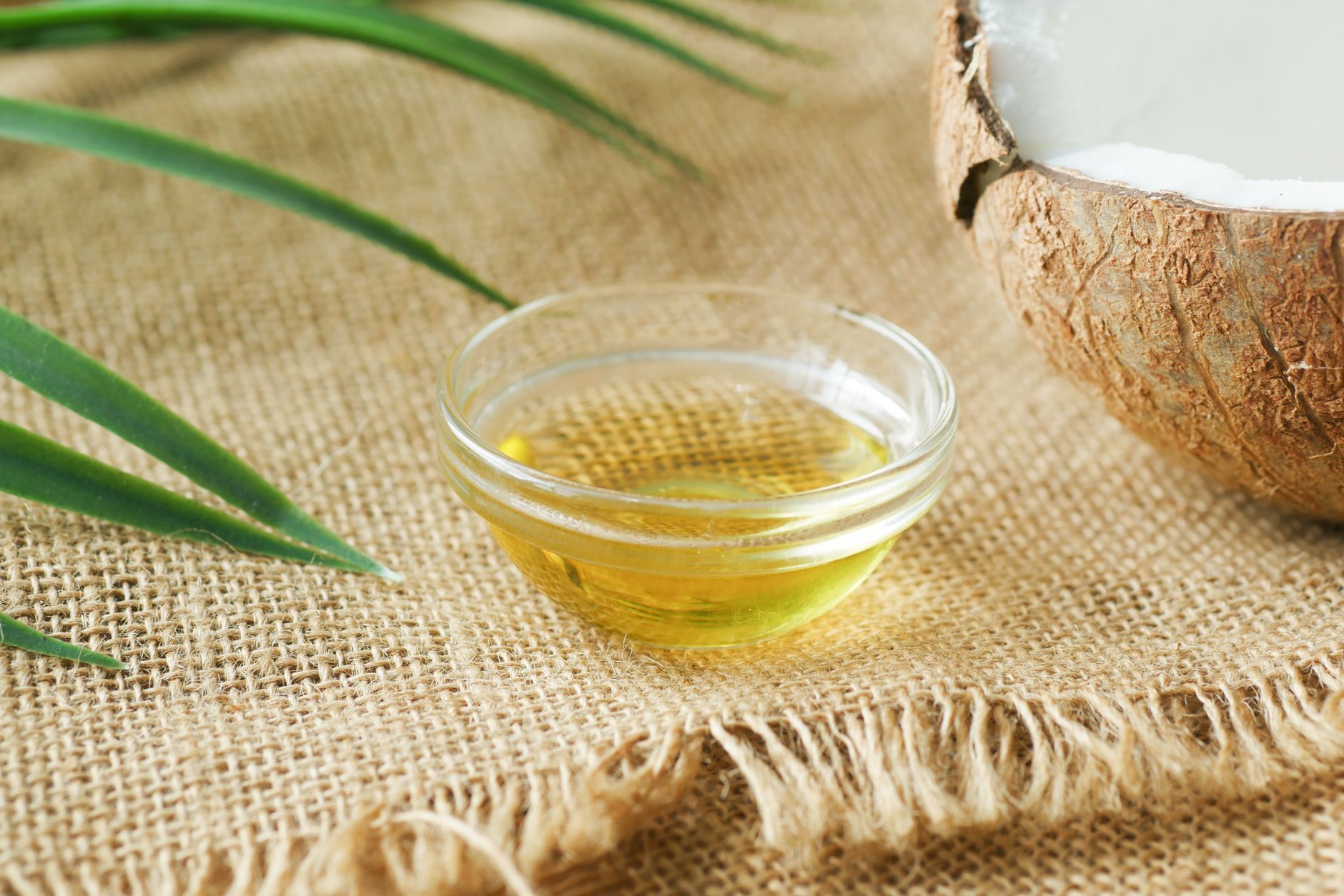
In my two decades of pastoral ministry, I have often watched believers seek physical vitality through new health trends. MCT oil, or medium-chain triglyceride oil, is simply a refined source of specific fatty acids found in coconuts and palm kernel oil. Unlike the long-chain fats found in most foods, these shorter chains bypass typical digestion to enter the bloodstream quickly, offering an immediate fuel source for the body and mind.
- MCT oil is composed of 100% medium-chain fatty acids, specifically C8 and C10 chains.
- It provides 9 calories per gram but is often metabolized as energy rather than stored as adipose tissue.
- Users typically start with 1 teaspoon per day to avoid digestive distress, scaling up to 1 tablespoon.
- Verdict: It is a neutral tool for energy, provided it is not treated as a spiritual shortcut for wellness.
While the marketing might promise miraculous mental clarity, the substance itself is quite mundane. It is a tool for bio-hacking the metabolism. Whether you are using it for recovery and faith or general vitality, it is helpful to view it as a nutrient, not a panacea.
Is MCT oil the same substance as standard coconut oil?
MCT oil is a highly concentrated extract of specific fats taken from coconut oil, leaving behind other fatty acids for higher purity.
Coconut oil contains about 50% lauric acid, which functions more like a long-chain fat than a true MCT. MCT oil is manufactured by isolating the C8 and C10 chains through a process of fractional distillation. This makes it much more potent for achieving states like ketosis than the natural, unprocessed oil would be.
What does the term ‘C8’ and ‘C10’ represent in supplements?
The terms C8 and C10 refer to the carbon chain length of the fatty acids, where C8 offers the fastest conversion to energy for the brain.
C8 (caprylic acid) is considered the gold standard for MCT oil because it crosses the blood-brain barrier with incredible efficiency. C10 (capric acid) also provides energy but is slightly slower to metabolize. Look for products that clearly list the percentages of these specific acids to ensure quality.
Is there a difference in quality for MCT oil in the UK market?
Quality varies by extraction method, with cold-pressed, chemical-free, and sustainably sourced options offering the highest purity levels.
- Look for 100% pure coconut source indicators on the label.
- Verify if the product is free from palm oil for ethical sourcing.
- Check for cold-pressed labels to ensure no chemical solvents were used.
- Prioritize unflavored versions to avoid hidden artificial sweeteners.
What Are the Practical Benefits and Downsides of MCT Oil Use?
MCT oil supports ketogenic diets and mental focus, but it can cause significant digestive discomfort if consumed in excessive amounts.
Many people find that integrating small amounts of MCT oil into their morning routine supports identity and authority in Christ by helping them maintain physical focus during prayer or study. However, spiritual discipline remains our primary anchor. We must be careful not to place our faith in supplements that are designed to fix what may be a heart or lifestyle issue.
There is a real risk of over-relying on such aids. If we feel we cannot function without a specific oil or additive, we have moved into a form of dependency that the Apostle Paul warned against in his letters regarding self-mastery. Exercise and balanced nutrition are the biblical standards for health.
What are the primary side effects of taking too much MCT oil?
High doses of MCT oil typically trigger diarrhea, stomach cramping, and bloating due to the rapid rate at which it reaches the gut.
Because the body processes these fats so fast, the digestive system can become overwhelmed. This is often referred to by users as “disaster pants” in the fitness community. To mitigate this, always start with a very small dose, such as half a teaspoon, and increase slowly over several weeks.
How much MCT oil is recommended for daily intake?
Most health experts suggest starting with 5ml (one teaspoon) daily, gradually increasing to a maximum of 15ml (one tablespoon) for benefits.
| Goal | Recommended Dosage |
|---|---|
| Beginner | 0.5 – 1 teaspoon |
| Intermediate | 1 tablespoon |
| Advanced/Ketogenic | Up to 2 tablespoons |
When should a person avoid taking MCT oil entirely?
Individuals with pre-existing liver conditions, metabolic disorders, or severe digestive sensitivities should avoid MCT oil supplementation.
If you are under medical care for spiritual warfare or clinical exhaustion, always consult a professional. Sometimes what feels like a spiritual heaviness is actually a physical symptom that requires medical intervention. God gave us both the wisdom of the medical field and the power of prayer; use both.
Frequently Asked Questions About MCT Oil
-
Is MCT oil effective for weight loss?
MCT oil may help with satiety, but it is calorie-dense and will not produce weight loss without an overall calorie-controlled diet.
-
Does MCT oil require refrigeration?
Most MCT oils are shelf-stable and do not require refrigeration, though they should be kept in a cool, dark place to avoid rancidity.
-
Can I cook with MCT oil?
MCT oil has a low smoke point and should not be used for high-heat cooking; it is better suited for dressings, smoothies, or coffee.
-
Is MCT oil safe for children?
MCT oil is sometimes prescribed by doctors for specific medical conditions in children, but it should not be used as a general supplement.
-
Will MCT oil break a fast?
Technically, consuming pure MCT oil provides calories and will break a strict water fast, though it may keep you in ketosis.
-
Is MCT oil vegan-friendly?
Yes, most high-quality MCT oils are derived from coconut and are suitable for vegan diets, provided they contain no animal additives.
-
How long does a bottle of MCT oil last?
Once opened, most bottles should be consumed within six to twelve months, depending on the manufacturer’s specific storage instructions.
-
Does MCT oil have a distinct taste?
Pure, high-quality MCT oil is typically tasteless and odorless, making it easy to blend into various beverages and food recipes.
-
Why is my MCT oil cloudy?
Cloudiness can occur if the oil is stored in very cold temperatures or if the refining process left certain solid fats remaining.
-
Can I take MCT oil on an empty stomach?
Taking MCT oil on an empty stomach is more likely to cause immediate digestive upset than when consumed with a small amount of food.
In closing, remember that your health is a temple entrusted to you by God. Use tools like MCT oil if they help you serve Him better, but do not look to them for the peace and vitality that only the Holy Spirit can provide. Stay sober, stay balanced, and keep your eyes on the One who sustains you.— Pastor David Mercer.