God vs. Satan: If God Is All-Powerful, Why Does He Not Just Kill Satan?
God does not immediately destroy Satan because His plan for history involves the ultimate redemption of humanity, which requires the exercise of genuine free will and the full display of His justice and grace. In 20+ years of deliverance ministry, I have sat across from many who are wrestling with this very question, and I have seen how the reality of spiritual opposition forces us to grow in our understanding of God’s sovereignty. What that taught me is that God’s methods are not merely about the exercise of power, but about the establishment of a kingdom that is chosen, not coerced.
Key Takeaways
- God’s plan involves a 6,000-year redemptive arc that requires the temporary allowance of opposition.
- Scripture records at least 5 major instances where God uses Satan’s own malice to fulfill divine purposes.
- The ultimate destruction of Satan is already decreed in Revelation 20:10, marking the finality of God’s justice.
- Divine authority in Christ is greater than demonic power, making the believer’s role one of standing firm, not just waiting for the end.
Why does an all-powerful God permit the existence of the enemy?
God allows spiritual opposition to create a space where human beings can freely choose to reject darkness and embrace His eternal life.
Is God’s power limited by the existence of Satan?
God’s power is not limited by Satan, as the enemy is a created being who lacks the divine capacity to act outside of God’s sovereign bounds.
We often make the mistake of viewing the conflict between God and Satan as a binary struggle between two equals. Many respected Bible scholars note that the Scriptures consistently portray God as the Creator and Satan as a created being who possesses no independent authority. His existence does not diminish God’s power; rather, it highlights the depth of God’s patience.
How does human free will factor into the presence of evil?
Human beings were created as moral agents capable of genuine love, which necessitates the possibility of choosing against God’s good rule.
If God were to instantly eradicate every force of evil, He would also have to remove the capacity for human choice. Genuine love requires the possibility of its opposite—rejection and rebellion. By allowing space for the adversary, God ensures that our identity and authority in Christ are established through a genuine response to the gospel.
What does the Bible say about God using evil for good?
God is so infinitely powerful that He can orchestrate the very schemes of the enemy to ultimately serve His redemptive, holy purposes.
- Joseph’s suffering at the hands of his brothers was meant for evil, but God intended it for good (Genesis 50:20).
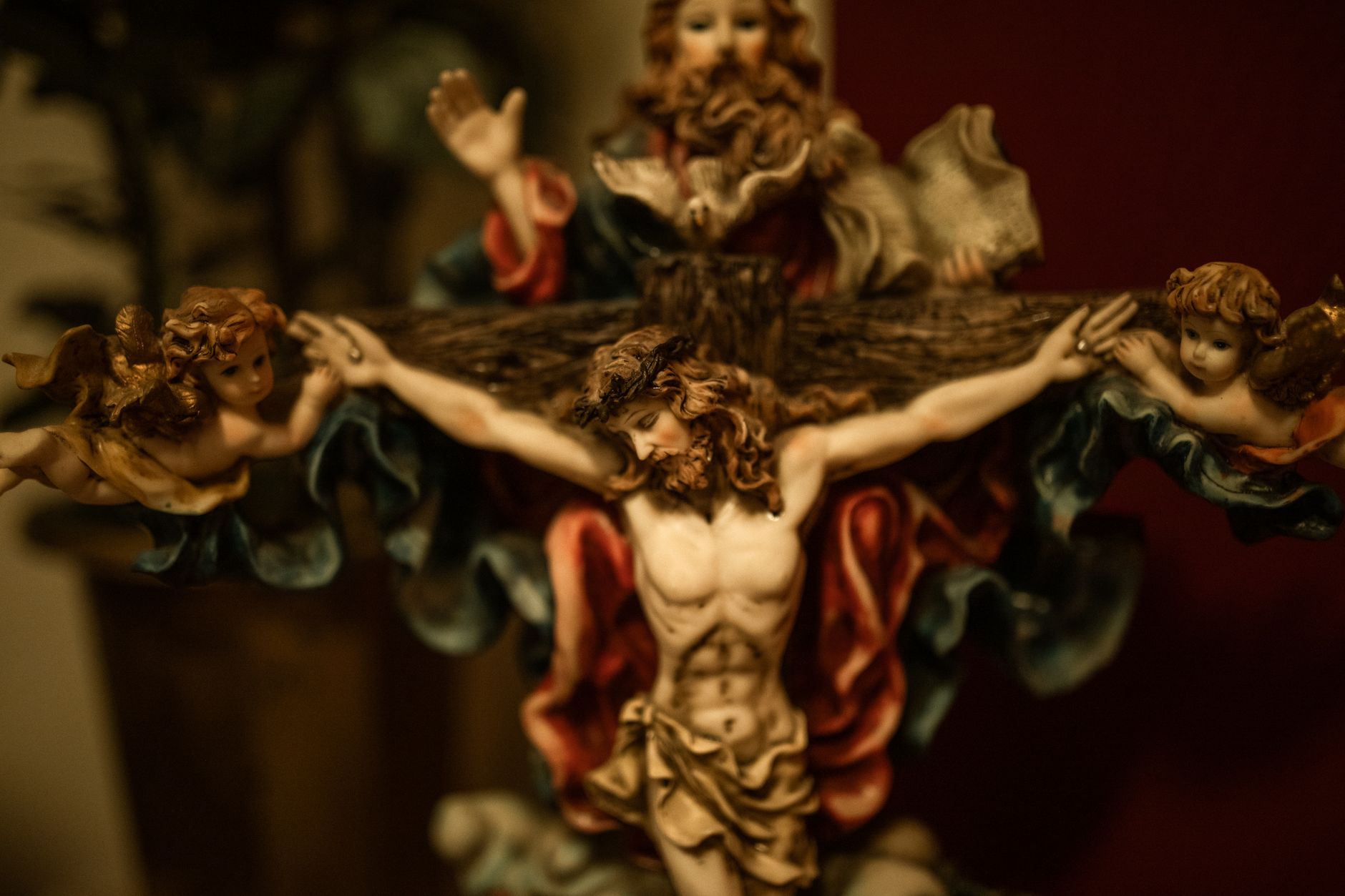
- The crucifixion of Jesus, the greatest act of demonic malice, was the exact mechanism for our salvation (Acts 2:23).
- Satan is permitted to remain as a tool of testing, sharpening the faith of those who stand firm (1 Peter 5:8-9).
- The temporary reign of darkness serves to demonstrate the contrast between the kingdom of God and the kingdoms of this world.
When will the final judgment of Satan actually occur?
The destruction of Satan is a fixed event in the future, scheduled for the close of history to ensure all things are brought under judgment.
What is the timeline of Satan’s final destruction?
According to the prophetic witness in Revelation 20:10, Satan will be cast into the lake of fire for eternity after his final rebellion fails.
God is not delaying because He is weak, but because He is faithful in prayer and patient toward those who have not yet turned to Him. The timeline is not defined by Satan’s strength, but by the completion of the number of the redeemed. Once that purpose is achieved, the end arrives decisively.
Why does the delay of judgment test the believer’s faith?
The waiting period is intended to cultivate endurance in the saints as they learn to walk in the victory already secured at the cross.
Living in the “already but not yet” is where we develop character. If the enemy were gone, we would not need to exercise the armor of God described in Ephesians 6. The delay is an invitation to maturity and an opportunity to witness the power of Christ over demonic forces in our current lives through deliverance ministry.
Frequently Asked Questions About God and Satan
Can Satan force a believer to sin against their will?
No, Satan can suggest, tempt, and accuse, but he lacks the authority to override the will of one who is submitted to God.
Does God have to consult Satan before taking action?
Absolutely not; as seen in the book of Job, God is in complete control, and Satan only acts with limited, restricted permission.
Is Satan an equal rival to God?
Satan is a fallen angel, not a rival; he is a creature subject to the ultimate and irreversible authority of the Almighty Creator.
Why did God create Satan in the first place?
God created a perfect, free angelic being, and Satan chose to corrupt his own nature through pride and rebellion against the Creator.
Can I pray for Satan to be destroyed now?
We pray for God’s kingdom to come and His will to be done; the final judgment is God’s prerogative to execute in His perfect timing.
Does the existence of Satan prove God isn’t loving?
No, it proves that God honors the moral freedom of His creatures and is working a plan far greater than immediate destruction.
How do I stand against the enemy today?
You stand by remaining rooted in the Word, clothed in the armor of God, and relying on the finished work of Jesus on the cross.
Is the battle with Satan merely a metaphor?
The battle is real and spiritual, involving actual demonic influence that requires the intervention of the power of the Holy Spirit.
Will Satan have any power in heaven?
No, the kingdom of God will be entirely purged of all darkness, pain, and the presence of the adversary for all eternity.
How should I feel about the spiritual battle?
You should feel confident; you are on the winning side, and the victory was secured when Jesus rose from the dead in triumph.
The question of why God permits the enemy to remain is ultimately a question about God’s character. I have found that as we lean into His presence, the fear of the adversary dissipates. My pastoral word to you is to focus not on the lifespan of the darkness, but on the certainty of the Light. You are empowered to stand, and that is sufficient for the battle at hand.
— Pastor David Mercer.