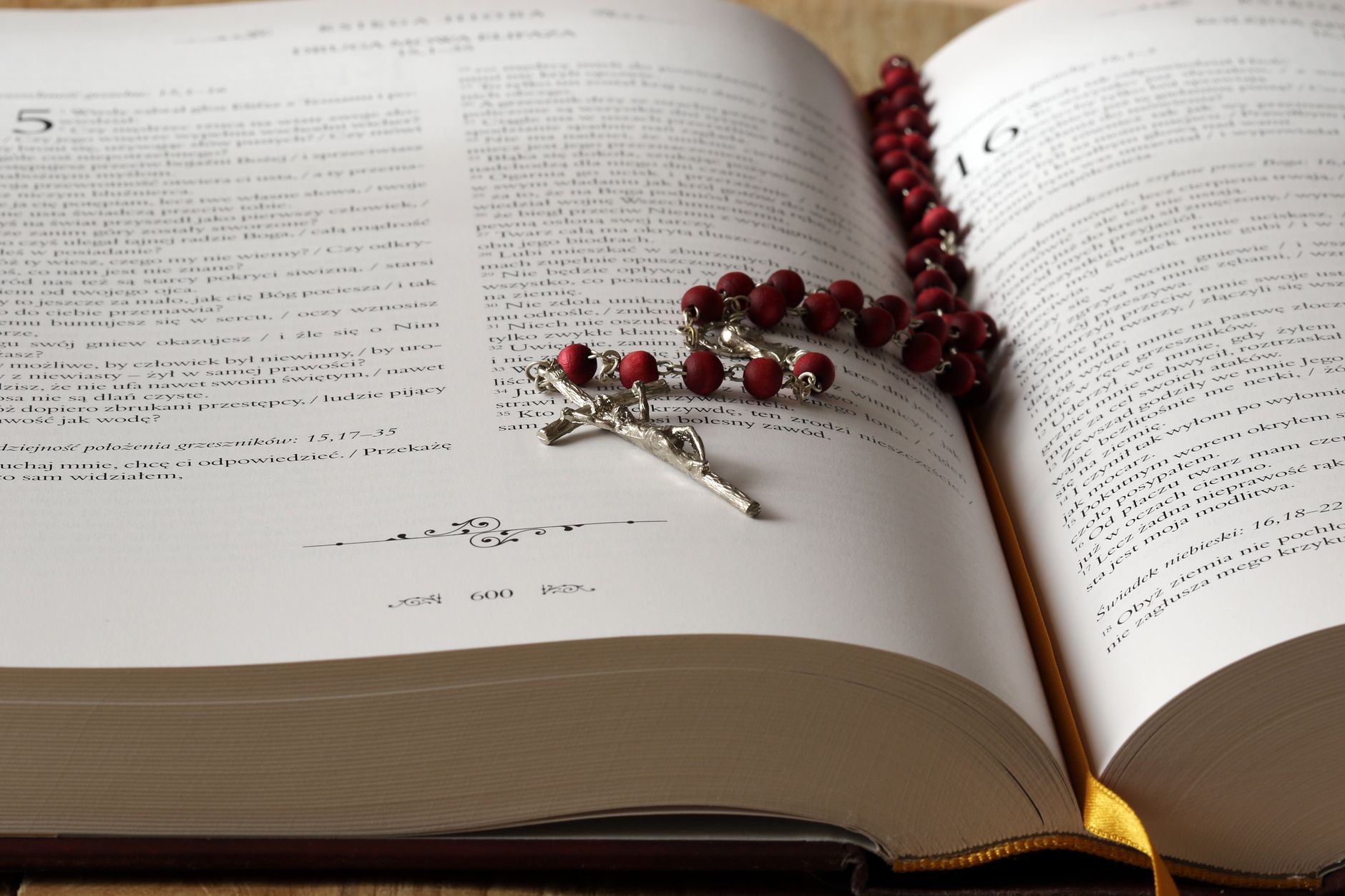
What Is the Difference Between a Catholic Bible and a Protestant Bible?
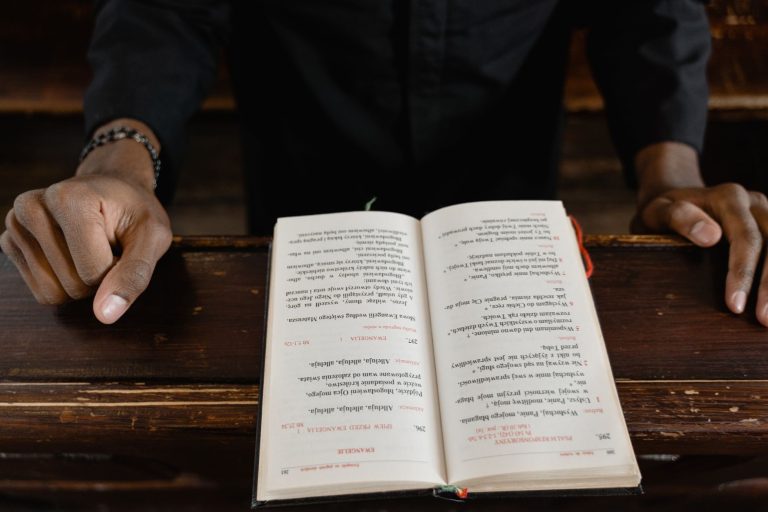
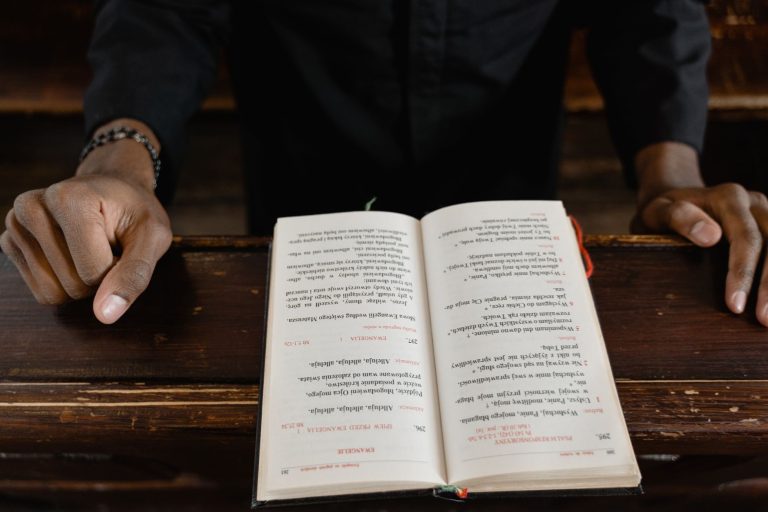
A Catholic Bible contains 73 books, whereas a standard Protestant Bible contains 66 books, primarily due to the inclusion of the deuterocanonical texts in the Catholic canon. These seven additional books are found in the Old Testament portion of the Catholic Bible, representing a divergence in historical tradition rather than a disagreement on the core gospel.
- The Catholic canon includes 7 deuterocanonical books not present in the 66-book Protestant canon.
- The Council of Rome in 382 AD affirmed a canon that aligns with the modern Catholic structure.
- Protestant tradition moved to the Hebrew Masoretic Text for the Old Testament during the 1500s.
- Both traditions affirm the same 27 books of the New Testament without any variation.
- The verdict is that both versions contain the essential revelation of Christ, despite differences in peripheral historical documents.
How Did the Biblical Canon Develop Differently?
The canon diverged because Catholic tradition retained the Septuagintal books while Protestant reformers returned to the shorter Hebrew canon.
Why Does the Catholic Church Use the Septuagint?
Catholic Bibles follow the Greek Septuagint tradition, which includes books written or preserved in Greek before the time of Jesus Christ.
For centuries, the early church used the Septuagint, a Greek translation of the Hebrew Scriptures used by Greek-speaking Jews. Many of the New Testament authors cited the Septuagint when quoting the Old Testament, which gave these texts significant weight in the early Christian community. This collection included books like Tobit, Judith, and 1 Maccabees, which were seen as part of the inspired narrative.
- The Septuagint provided the basis for the Christian Old Testament for over 1,000 years.
- It bridged the gap between the end of the prophetic period and the birth of Christ.
- Early church councils, such as the Council of Carthage, recognized these books as canonical.
Why Did Reformers Shorten the Old Testament?
Protestant reformers restricted the Old Testament canon to books present in the Hebrew Masoretic Text to ensure alignment with Jewish tradition.
During the Reformation, many theologians sought to align the Old Testament canon strictly with the Hebrew Bible used by Jewish scholars in the Masoretic tradition. This led to the classification of the additional books as ‘apocryphal’ or ‘deuterocanonical’ and their removal from the central collection. This decision was largely driven by a desire for a return to the original Hebrew sources for all Old Testament translation work.
How Do These Differences Affect Spiritual Growth?
Differences primarily involve historical and wisdom literature, as the core message of salvation remains identical in both biblical traditions.
What Are the Deuterocanonical Books?
Deuterocanonical books are the seven works included in the Catholic Old Testament but omitted from standard Protestant editions of Scripture.
These books include Tobit, Judith, 1 and 2 Maccabees, Wisdom, Sirach, and Baruch, along with additions to Esther and Daniel. Many respected Bible scholars note that these texts provide crucial insight into the intertestamental period, offering context for the world that Christ entered. While not always cited for doctrinal foundations, they are deeply valued for their historical and moral instruction.
- Tobit and Judith offer narratives of faithfulness during exile and struggle.
- The books of Maccabees recount the fierce struggle for Jewish religious survival.
- Wisdom and Sirach provide poetic guidance on living a life directed by divine order.
Does This Change Our Identity and Authority in Christ?
The essential authority in Christ remains unchanged because both traditions share the same 27 New Testament books and foundational gospel.
Regardless of the number of books in the Old Testament, the power of the identity and authority in Christ rests upon the finished work of the cross. A believer’s growth depends on their surrender to the Holy Spirit and their obedience to the Word, not on the specific selection of historical books. When I work with people in spiritual warfare, I emphasize the living voice of the Spirit, which confirms the primary witness of the canon held by all Christians.
Frequently Asked Questions
-
Is the New Testament the same in both Bibles?
Yes, both Catholic and Protestant Bibles contain the exact same 27 books of the New Testament with no differences in text or ordering.
-
Are the extra books considered heretical by Protestants?
Protestants do not label them as heretical but rather as non-canonical works useful for history rather than foundational for church doctrine.
-
Can Catholics read Protestant Bibles?
Catholics may read Protestant editions, though they are encouraged to use a full 73-book Catholic Bible for complete liturgical and study needs.
-
What is the Apocrypha?
The term Apocrypha refers to the books excluded from the Protestant canon but included as deuterocanonical in the Catholic and Orthodox traditions.
-
Which version is more accurate?
Accuracy is determined by the quality of translation from original languages, as both versions share an identical core of foundational scripture.
-
Why do some Bibles have more books?
Differences stem from the historical choice to either follow the expanded Greek Septuagint or the more restricted Hebrew Masoretic canon.
-
Do Catholic Bibles have different translations?
Yes, Catholic Bibles often use versions like the New American Bible or the Jerusalem Bible to include the full scope of the 73-book canon.
-
How should I study the deuterocanonical books?
Treat them as valuable historical and moral literature that provides insight into the world of the Second Temple period of Jewish history.
-
Is it safer to use a Catholic Bible?
Safety in faith is found in the gospel of Christ; both Catholic and Protestant Bibles provide the necessary text for salvation and discipleship.
-
Are there other biblical canons?
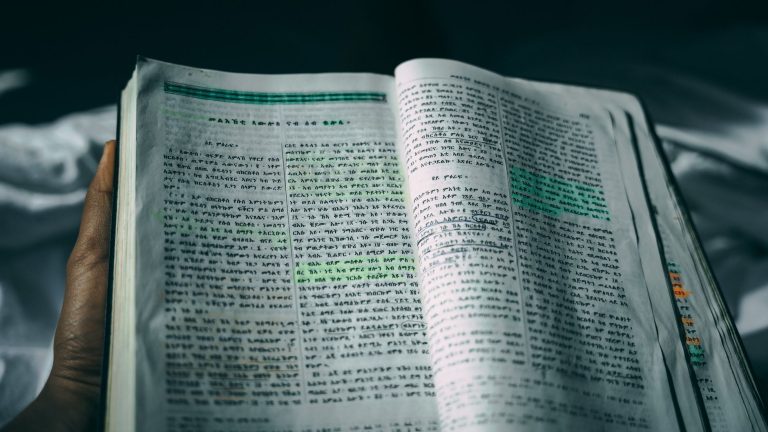
Yes, the Ethiopian Orthodox and other Eastern traditions possess canons that include even more books than the Roman Catholic collection.
Ultimately, whether you are seeking recovery of faith or deep theological study, the focus must remain on the singular person of Jesus Christ. The Bible is the container for the revelation of God, and our response to that revelation matters more than the historical debates surrounding the inclusion of specific secondary texts. Walk in the freedom of the Spirit and hold fast to the gospel we share.
— Pastor David Mercer